22 Insider Risk Management Tools By Use Case

Insider risk used to mean a departing employee copying files to a USB drive. Today the picture is broader. With AI tools and autonomous agents using the same apps, data, and credentials as human workers, the modern insider risk isn’t just the malicious data thief. It’s the well-meaning developer pasting proprietary code into an unapproved LLM, or an AI agent acting on a user’s behalf that inadvertently exposes a sensitive file.
Insider risk management tools detect, investigate, and reduce risk from anyone (or anything) with legitimate access, whether the action is careless, compromised, or malicious. The category overlaps with data loss prevention (DLP), user and entity behavior analytics (UEBA), and user activity monitoring, which makes comparisons hard.
The stakes are high. Ponemon Institute's 2026 report, sponsored by DTEX, puts the average annual cost of insider risk at $19.5 million per organization.
Below are the best insider risk management tools available today, grouped by approach, along with what each one does well, where it falls short, and what it costs.
TL;DR
- Insider risk tools fall into four camps: endpoint-led, dedicated platforms, DLP-led, and UEBA inside security information and event management (SIEM) tools.
- A tool only catches what it can see. Check whether it collects from the endpoint, email, SaaS apps, or identity logs.
- SIEM-side UEBA tools stitch events into sequences, but from logs after the fact. An endpoint layer can read the sequence and act before the last step completes.
- Ent takes an endpoint-led approach. It applies one control model to people and AI agents and can step in before a risky action completes.
What To Look For In An Insider Risk Management Tool
Compare tools on these six capabilities before you book demos:
| Capability | What to check | Why it matters |
|---|---|---|
| Visibility | Endpoint, network, cloud and SaaS, email, or identity logs. This decides what the tool can and can't catch. | Gaps in data sources become gaps in detection. |
| Detection model | Static rules, behavioral baselines, or analysis of the full sequence and context around an action. | Rules miss new patterns, and single-event scoring misses risky sequences made of normal steps. |
| Response options | Look past alerts to coaching, required justification, and blocking. | Alerts alone leave a gap between detection and action. Graduated responses close it without blocking legitimate work. |
| Investigation quality | Timelines, evidence, case management, and a clean HR and legal handoff. | Many cases end with HR or legal. Weak evidence slows decisions and weakens outcomes. |
| Privacy controls | Pseudonymization and role-based access that keep monitoring proportionate and protect employee trust. | Monitoring that feels invasive erodes trust and can run into legal limits in some regions. |
| AI tool and agent coverage | Visibility into AI assistants and agents acting for a user. This is fast becoming a core requirement. | Agents act with a user's permissions, so their actions carry the same risk as the person's own. |
The 22 Best Insider Risk Management Tools, By Approach
The picks are grouped into four approaches, each led by our top pick for that approach. Jump to the one that fits your stack. Groups reflect each product's main focus, not only where it collects data, so several dedicated platforms also run an endpoint agent.
| Tool | Approach | Primary data source | Response options | Deployment | Pricing model |
|---|---|---|---|---|---|
| Ent | Endpoint-led | Endpoint agent, browser extensions | Warn, justify, constrain, escalate, block | SaaS or customer-controlled cloud | Quote-only |
| CrowdStrike Falcon | Endpoint-led | Falcon agent, identity providers | Block egress, MFA, password reset | SaaS | Per device; Data Security quoted |
| DTEX | Dedicated IRM | Endpoint metadata | Risk-adaptive DLP, alerts | SaaS | Quote-only |
| Proofpoint ITM | Dedicated IRM | Endpoint agent, email | Alerts, forensics | Cloud | Quote-only |
| Microsoft Purview IRM | Dedicated IRM | Microsoft 365, Defender, HR data | Adaptive DLP policies | Microsoft 365 cloud | E5, or E3 plus add-on |
| Mimecast Incydr | Dedicated IRM | Endpoint, browser, email, cloud | Training, blocking | SaaS | Quote-only |
| Everfox | Dedicated IRM | Endpoint agent | Alerts, case management | Not stated | Quote-only |
| Gurucul | Dedicated IRM | Logs and integrations | Isolate, revoke, block | SaaS | Quote-only |
| Syteca | Dedicated IRM | Session agent | Warn, block user, kill process | SaaS, cloud, on-prem | Quote-only |
| Teramind | Dedicated IRM | Endpoint agent | Block, warn, log | SaaS, private cloud, on-prem | Per seat |
| Veriato | Dedicated IRM | Endpoint agent, Microsoft 365 | Alerts, web blocking | Cloud or on-prem | Per user |
| Cogility Cogynt.ai | Dedicated IRM | Existing security and HR feeds | Case workflow | Customer VPC | Quote-only |
| Forcepoint | DLP-led | Endpoint, email, web, cloud | Risk-adaptive blocking | SaaS, on-prem, hybrid | Quote-only |
| Varonis | DLP-led | Data stores, Microsoft 365 | Access remediation, MDDR | SaaS | Per user |
| Netskope | DLP-led | Inline proxy, APIs | Coach, redact, block | Cloud | Quote-only |
| Broadcom Symantec DLP | DLP-led | Endpoint, network, storage | Block, quarantine | On-prem, cloud, hybrid | Quote-only |
| Netwrix | DLP-led | Endpoint, AD, file servers | Block uploads, block Tier 0 changes | SaaS or on-prem | Per identity or quote |
| Exabeam | UEBA and SIEM | SIEM logs | Automated triage, SOAR | Cloud or self-hosted | Quote-only |
| Securonix | UEBA and SIEM | SIEM logs | Response agent, SOAR | Cloud | Quote-only |
| Splunk ES | UEBA and SIEM | SIEM logs | SOAR playbooks | Cloud or on-prem | Quote-only |
| Microsoft Sentinel UEBA | UEBA and SIEM | Azure, Entra ID, logs | Logic Apps playbooks | Azure cloud | Per GB ingested |
| Rapid7 InsightIDR | UEBA and SIEM | SIEM logs, agent | Isolate, revoke, kill | SaaS | Per asset |
Response options reflect what each product documents on its own. Adjacent products, such as Microsoft Purview DLP, Defender for Cloud Apps, or other Falcon modules, can add more.
Endpoint-led options
Endpoint security tools rely on a local agent to see exactly what the user (or agent) is doing on the machine. This approach offers the deepest visibility into intent and execution, but requires you to manage agents across your fleet.
1. Ent
Ent is AI endpoint security for human and agentic work. A lightweight agent for Windows, macOS, and Linux works alongside browser extensions. Together, they connect user activity, agent actions, applications, data, scripts, and process execution into one sequence.
Deterministic policy, behavioral intelligence, and local AI reasoning then interpret what is happening, why, and whether it should continue. Threat-aware application control covers shadow AI, remote monitoring and management (RMM) tools, living-off-the-land binaries (LOLBins), and vulnerable drivers. Natural-language timelines lay out the full sequence behind an event, so analysts don't have to stitch logs together.
The goal is to prevent threats before impact, reduce attack surface, and lower operational burden while teams adopt AI safely. Ent complements existing EDR/XDR and can replace endpoint-based insider risk, DLP, and app control tools. It's available as SaaS or as a customer-controlled deployment.
- Best for: Teams that want one control model for employees and the AI agents working beside them.
- Notable feature: Inline responses that warn, require justification, constrain, escalate, or block before a risky action completes. For AI apps, Ent can also guide the user or redact sensitive data.
- AI tool visibility: Live visibility into OpenAI Codex, Claude Code, Claude Cowork, GitHub Copilot, and Cursor.
- Data protection: A custom on-device small language model (SLM) classifies sensitive data at the point of use, on the endpoint itself.
- Limitation: Its view is endpoint-based, so email and SaaS-side signals need other tools.
- Pricing: Quote-only.
2. CrowdStrike Falcon
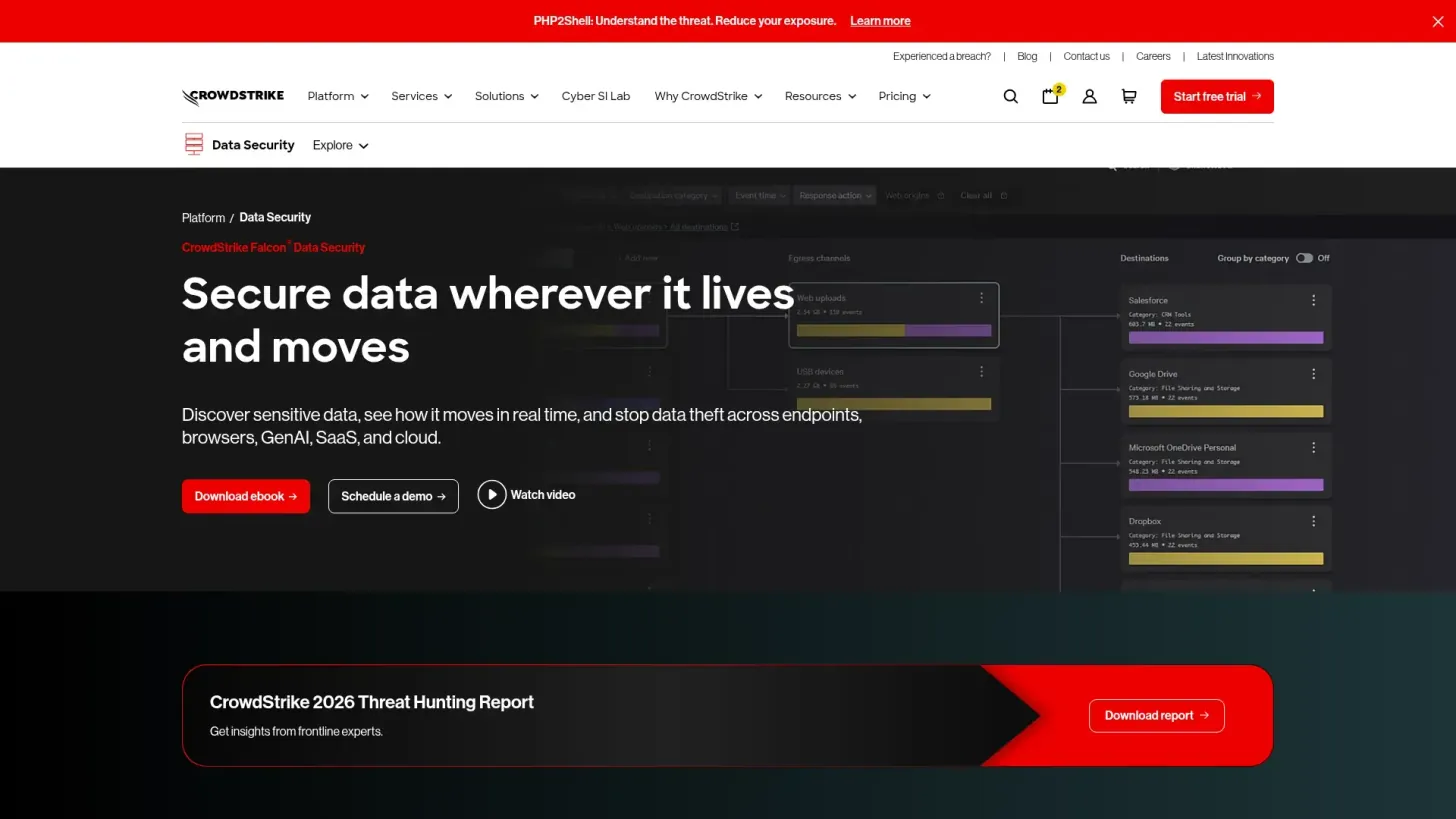
CrowdStrike extends the Falcon agent with Next-Gen Identity Security and Falcon Data Security (formerly Data Protection). Identity signals come from Active Directory, Entra ID, and Okta. Data Security tracks files moving to USB, browsers, SaaS, and AI tools.
- Best for: Falcon customers who want insider signals without a second agent.
- Notable feature: An Insider Threat Dashboard that correlates identity and data activity.
- Limitation: There's no session recording, HR signal analysis, or documented pseudonymization for investigations.
- Pricing: Falcon Enterprise, the first tier with EDR, lists at $184.99 per device per year. Data Security is quoted separately.
Dedicated insider risk and insider threat platforms
Dedicated platforms are built specifically for insider threats. They excel at building behavioral timelines and gathering forensic evidence but often require integration with your existing SIEM or endpoint detection and response (EDR) systems to get the full picture.
3. DTEX
- Best for: Large enterprises and agencies that want deep behavioral telemetry without screen recording.
- Notable feature: Patented pseudonymization, so investigations start from masked identities.
- Limitation: It's priced for the enterprise, and on-prem support for the current v7 platform is unclear.
- Pricing: Quote-only. AWS Marketplace shows a $100,000 public listing for 12 months.
4. Proofpoint Insider Threat Management
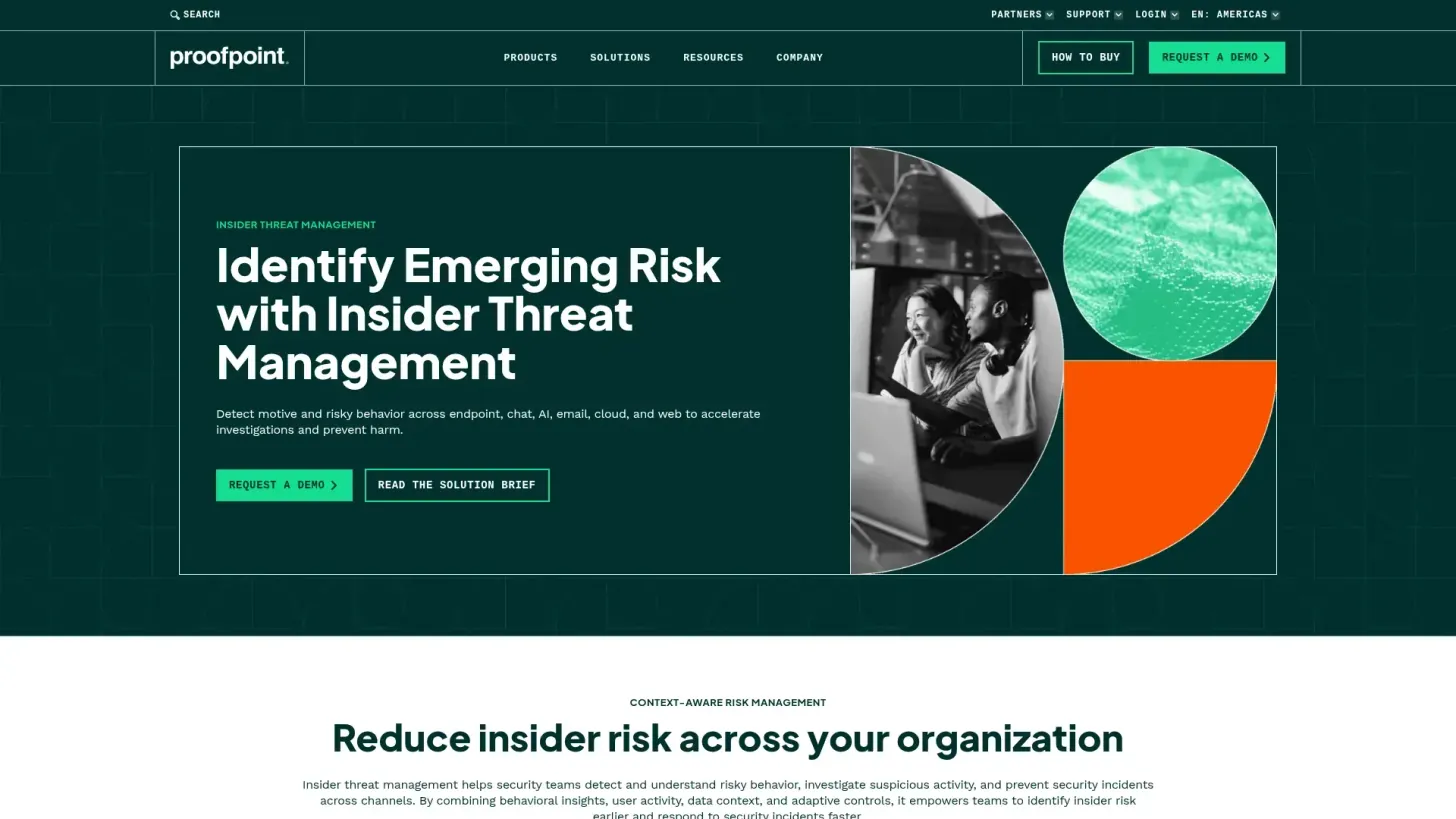
Proofpoint Insider Threat Management (ITM), the former ObserveIT, shares a user-mode endpoint agent with Proofpoint DLP on Windows and macOS. It captures screenshots and context before, during, and after an incident.
- Best for: Proofpoint email customers who want insider cases tied to email and DLP.
- Notable feature: Screenshot-based incident timelines with anonymization and masking.
- Limitation: Coverage centers on email and endpoint, and detection is largely policy-driven.
- Pricing: Quote-only.
5. Microsoft Purview Insider Risk Management
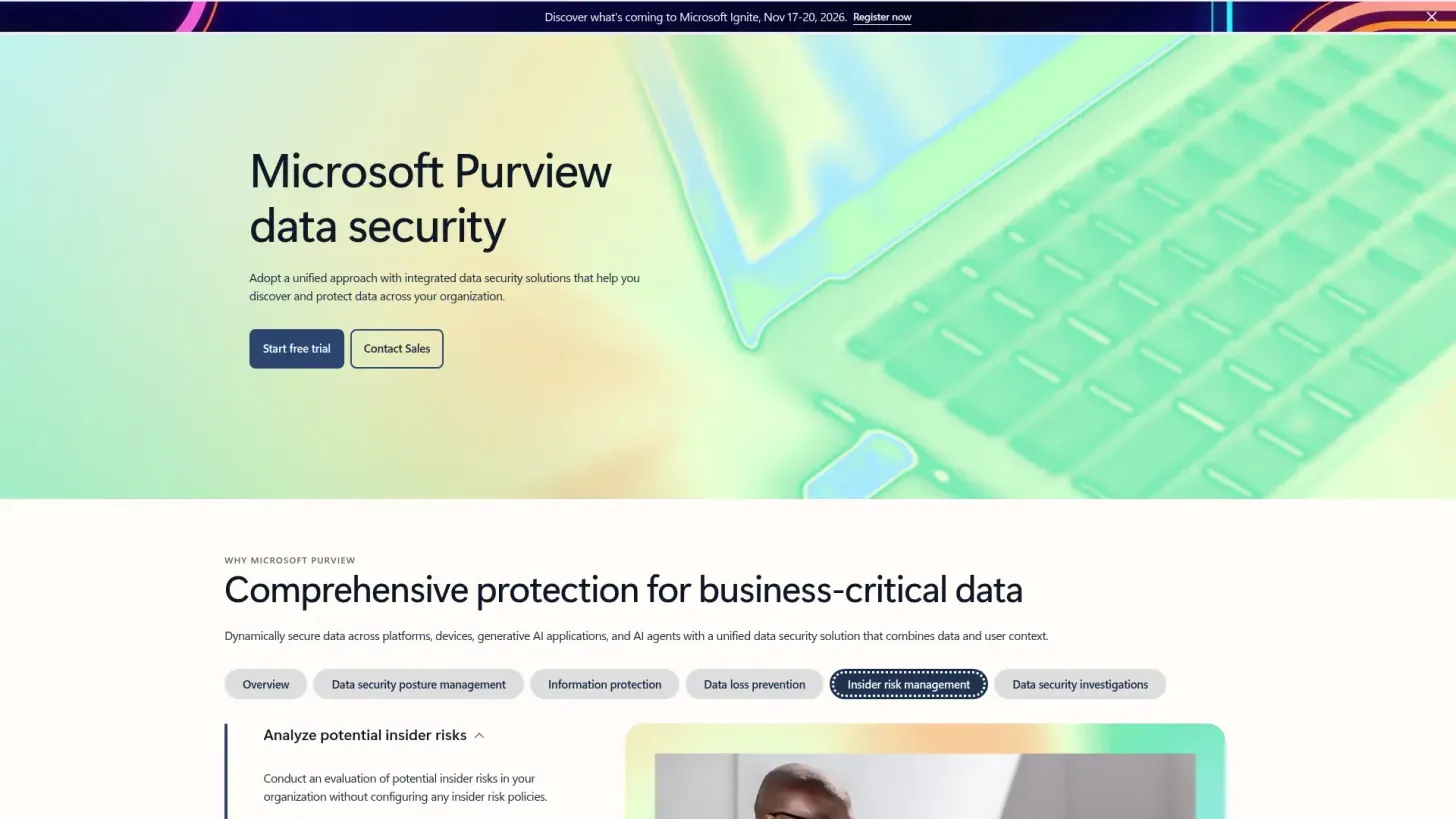
Microsoft Purview Insider Risk Management correlates Microsoft 365 activity, Defender for Endpoint alerts, and HR data. Templates cover departing users, data leaks, and risky AI usage. Users are pseudonymized by default.
- Best for: Microsoft 365 E5 organizations that want insider risk inside their existing tenant.
- Notable feature: Adaptive Protection tightens DLP policies automatically as a user's risk level rises.
- Limitation: It's strongest inside Microsoft's ecosystem, and third-party AI sites need a browser extension.
- Pricing: Included in Microsoft 365 E5 ($60 per user per month with Teams). E3 alone doesn't include it, so E3 tenants need the Microsoft Purview Suite add-on at $12 per user per month.
6. Mimecast Incydr
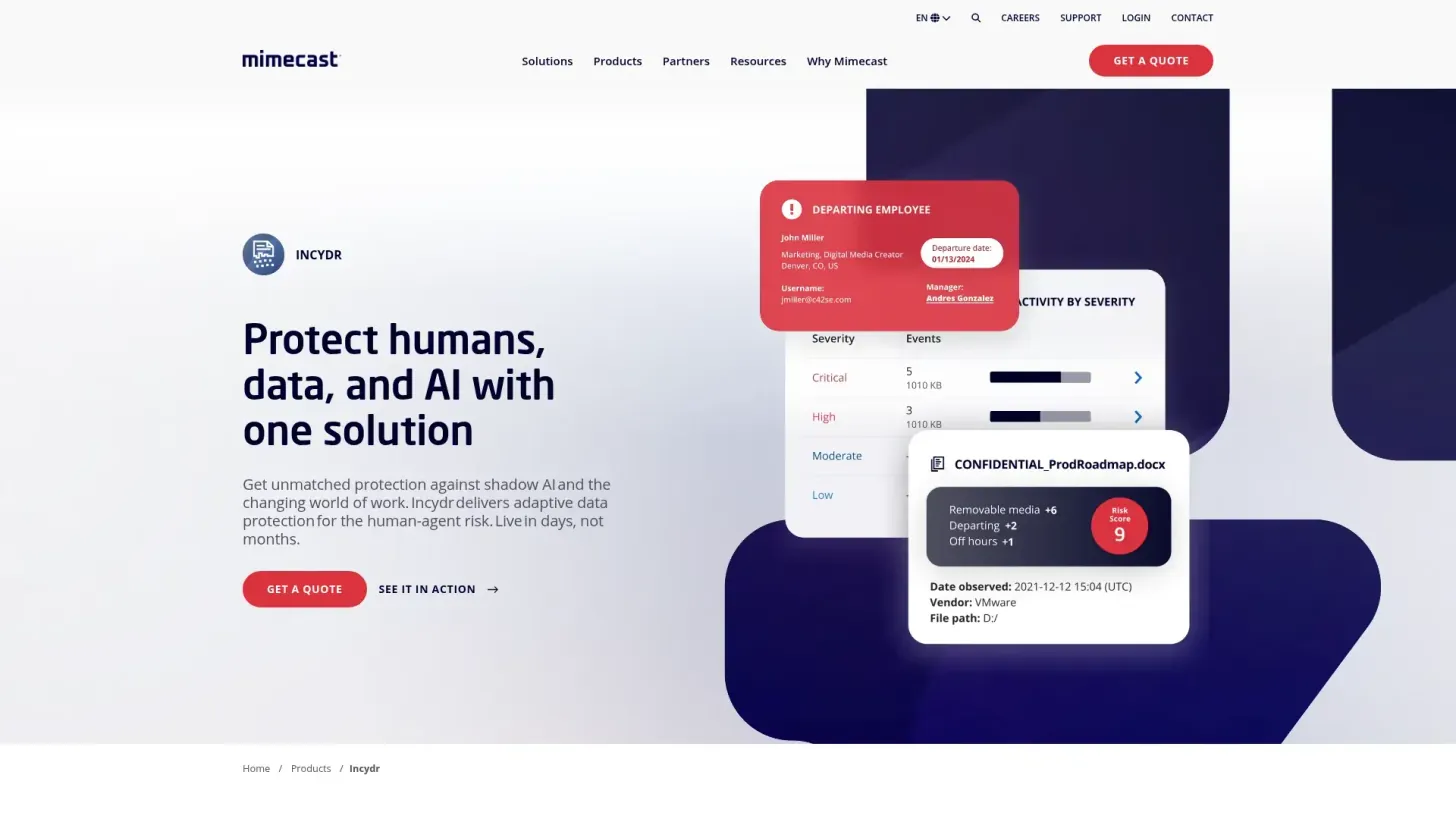
Mimecast Incydr (formerly Code42 Incydr) watches file movement across endpoints, browsers, email, cloud storage, and AI tools. Each risk is scored and tied to a person.
- Best for: Mid-market teams that want fast exfiltration detection without heavy policy work.
- Notable feature: Responses scale from in-the-moment training videos to blocking.
- Limitation: Reporting takes effort. Rishabh, an IT security analyst, wrote on G2 that "pulling data for management takes more clicks than it should."
- Pricing: Quote-only.
7. Everfox Insider Risk
Everfox, formerly Forcepoint Federal, combines user activity monitoring, UEBA, and case management. It captures web, file, email, and keyboard activity with session video.
- Best for: Government and defense programs that must meet CNSS Directive 504 monitoring rules.
- Notable feature: Evidence-grade session records, at a claimed 400,000+ endpoint scale.
- Limitation: Its pages don't state a SaaS option, and the tooling is government-oriented.
- Pricing: Quote-only.
8. Gurucul Insider Risk Management
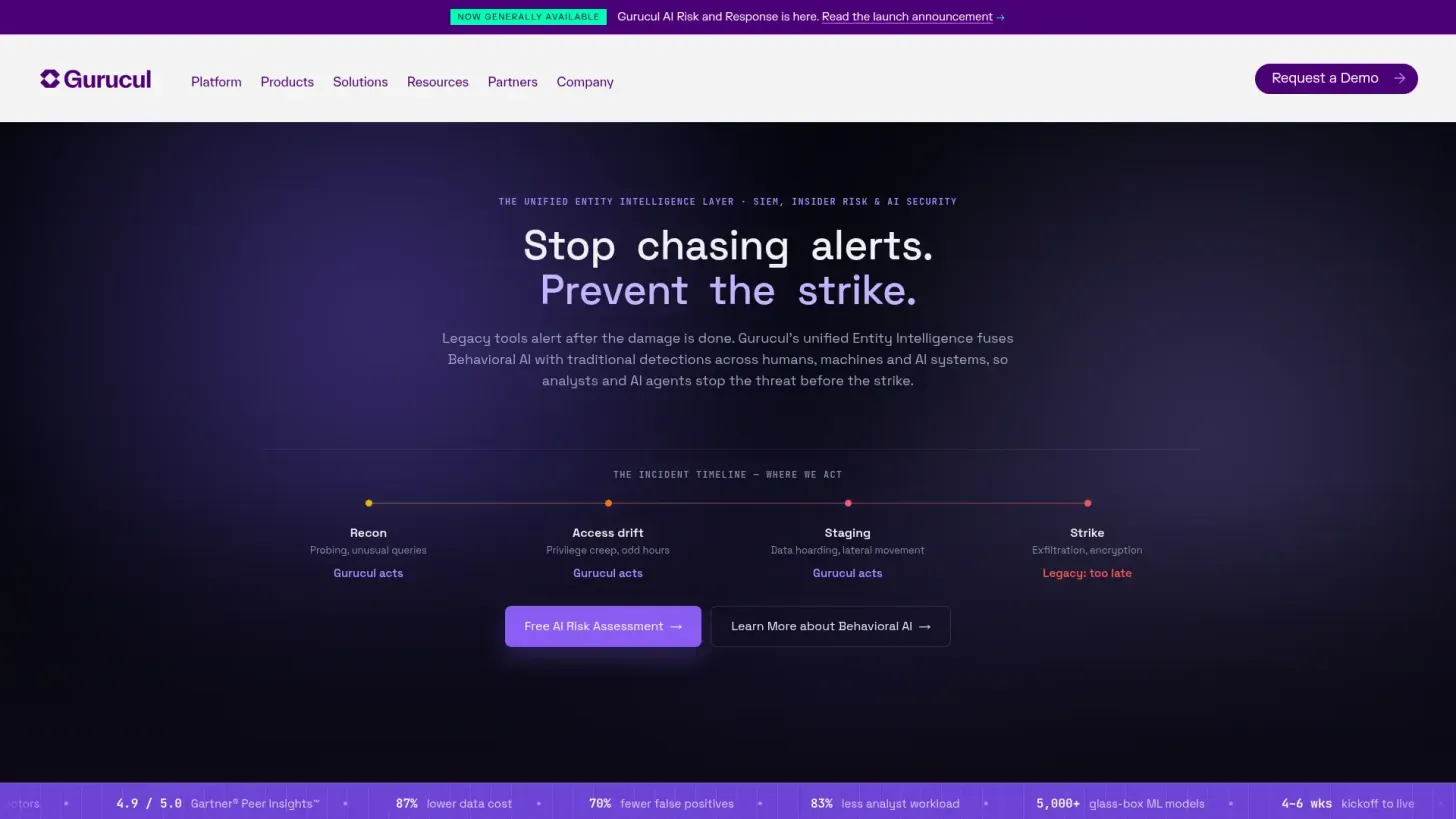
- Best for: Teams that want insider analytics covering non-human identities.
- Notable feature: Analysts can isolate users, revoke access, and block uploads, email, USB, and printing.
- Limitation: Naming and packaging overlap across UEBA, SIEM, and insider risk SKUs.
- Pricing: Quote-only.
9. Syteca
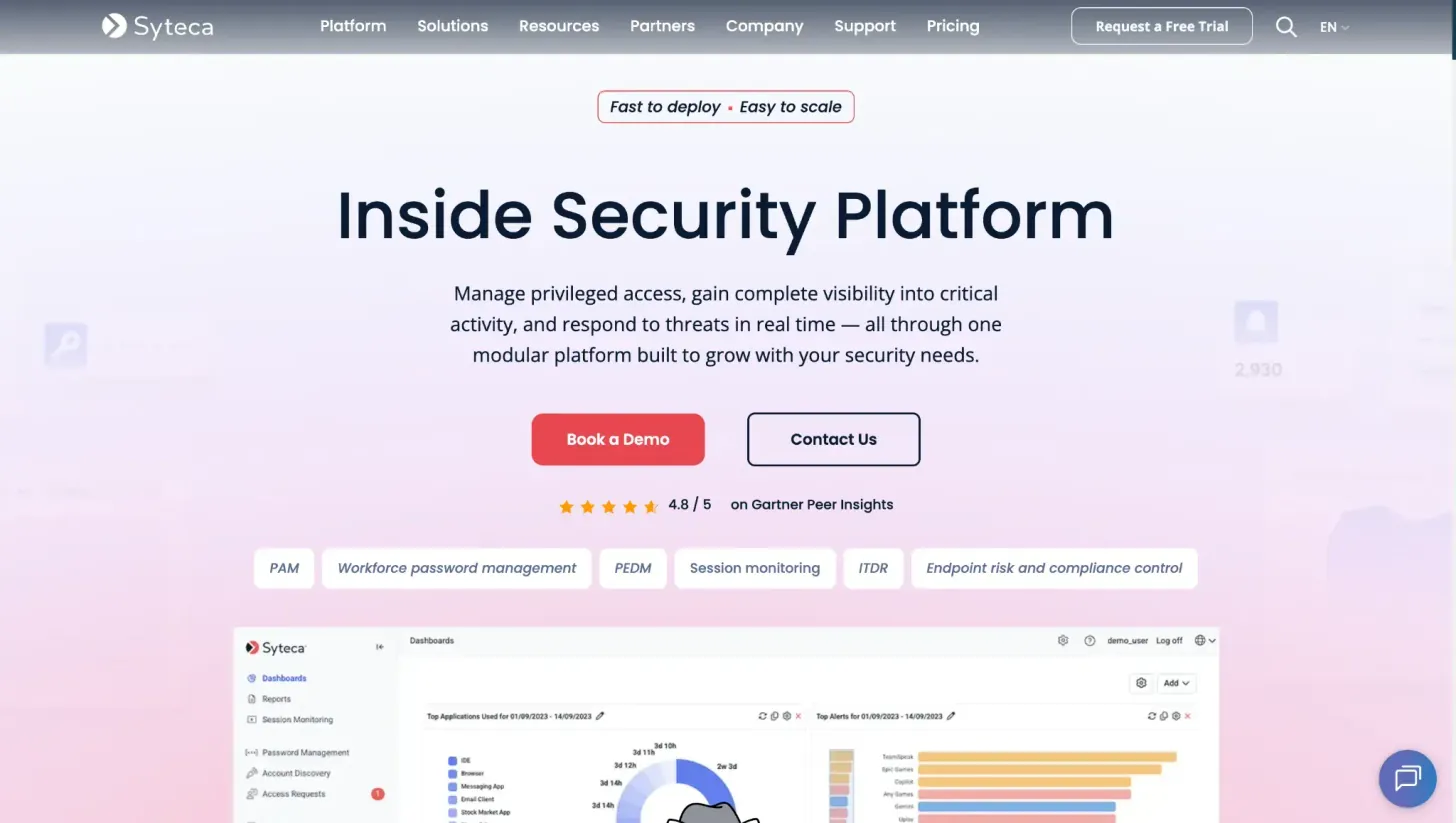
- Best for: Teams focused on privileged users and third-party contractors.
- Notable feature: It can kill risky processes or block users automatically when a rule fires.
- Limitation: Its UEBA is basic and on-prem only, so detection leans on rules you write.
- Pricing: Quote-only.
10. Teramind
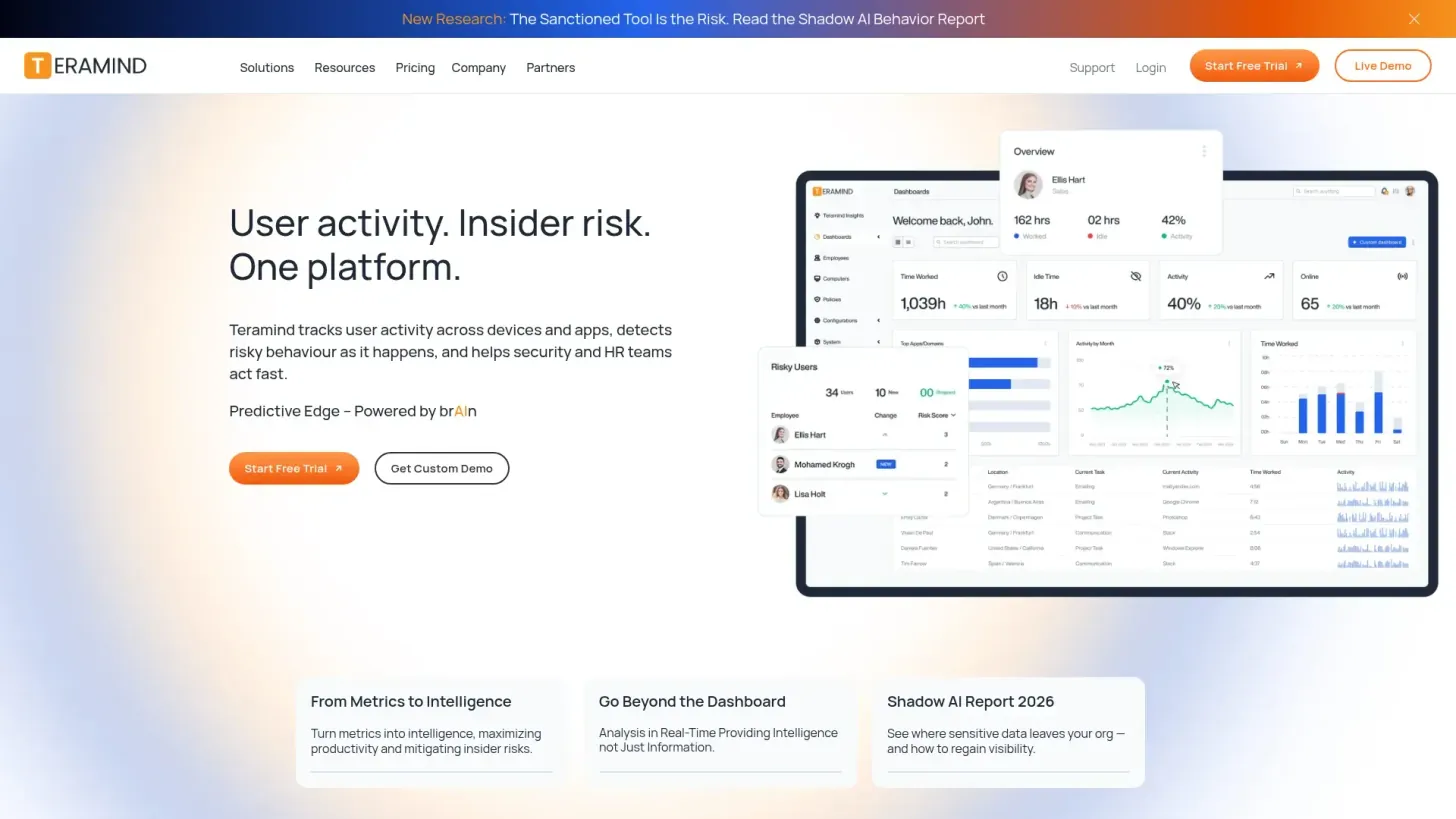
- Best for: Organizations that need forensic screen evidence alongside DLP.
- Notable feature: Screen recordings tied directly to DLP violations.
- Limitation: Screen and keystroke capture is invasive and needs legal review in privacy-regulated regions.
- Pricing: Teramind's published rates start the DLP tier at $32 per seat per month, billed annually.
11. Veriato
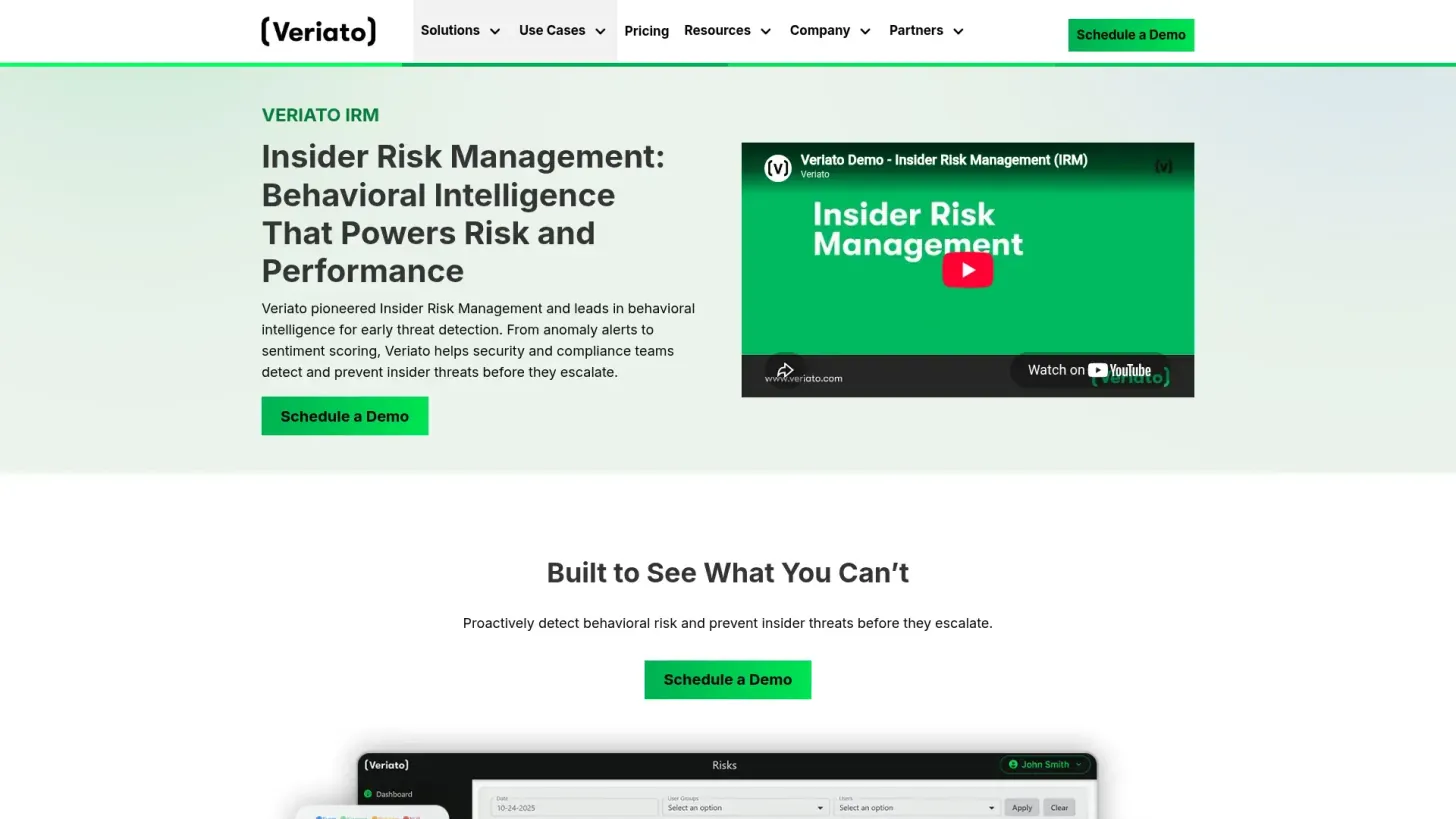
- Best for: Mid-sized companies that want behavioral risk scoring at a lower entry point.
- Notable feature: Sentiment analysis that can flag disgruntlement before data moves.
- Limitation: Response options are thin. There's no documented session termination.
- Pricing: Activity monitoring lists at $18 per user per month, billed annually. The insider risk tier is quote-only and needs at least 20 users.
12. Cogility Cogynt.ai
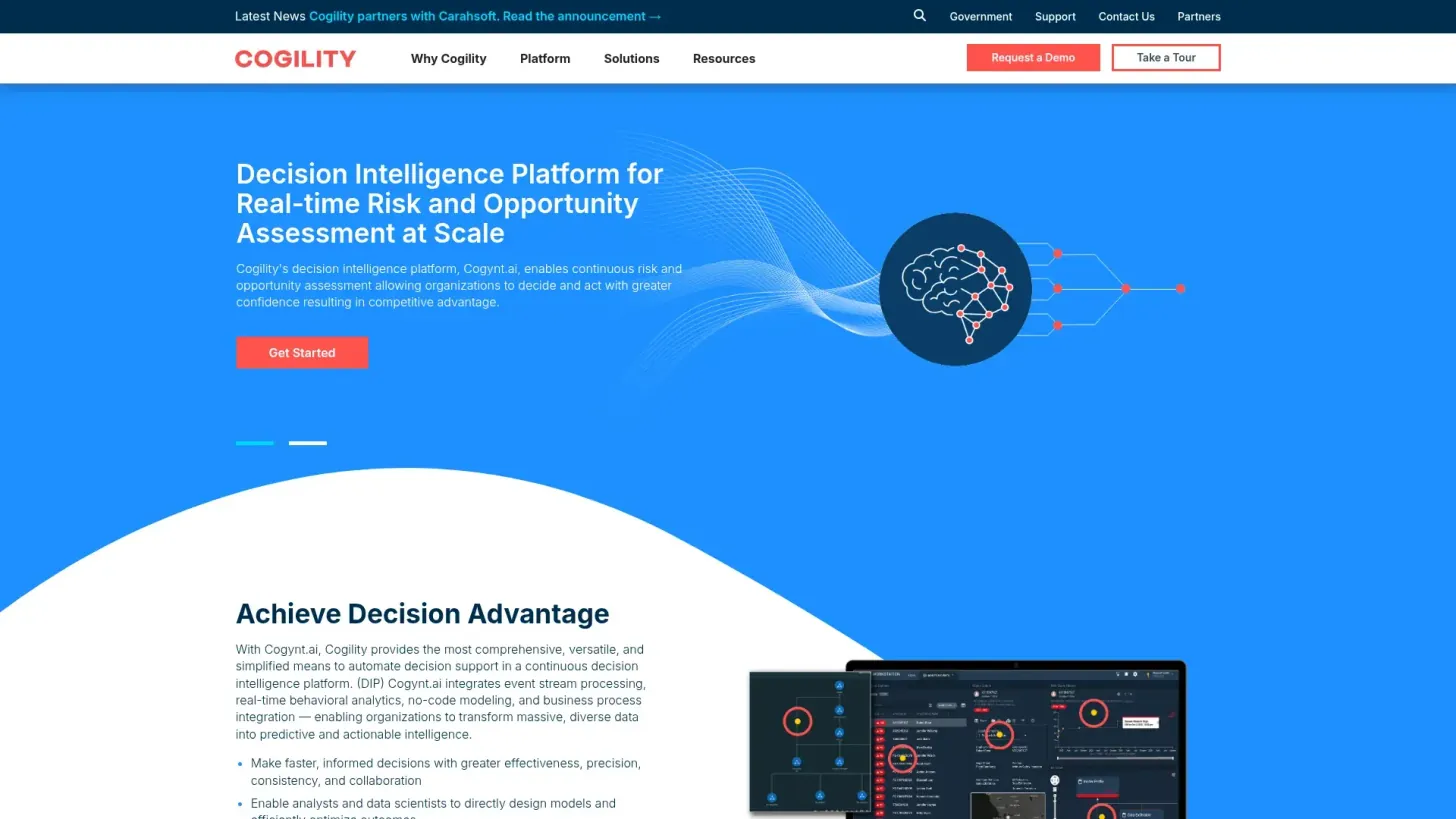
Cogility runs its Cogynt.ai analytics in the customer's private cloud. It scores endpoint, network, physical access, and HR data against the SOFIT insider threat model.
- Best for: Formal insider threat hubs in government and defense.
- Notable feature: It weighs psychosocial indicators alongside technical telemetry.
- Limitation: It collects nothing itself, so value depends on the feeds you connect.
- Pricing: Quote-only.
Data security and DLP-led platforms
Data-loss prevention (DLP) tools are the traditional heavyweights of insider risk oversight. They are incredibly powerful at content inspection and data tracking but are historically notorious for taking months to tune and causing friction for end users.
13. Forcepoint
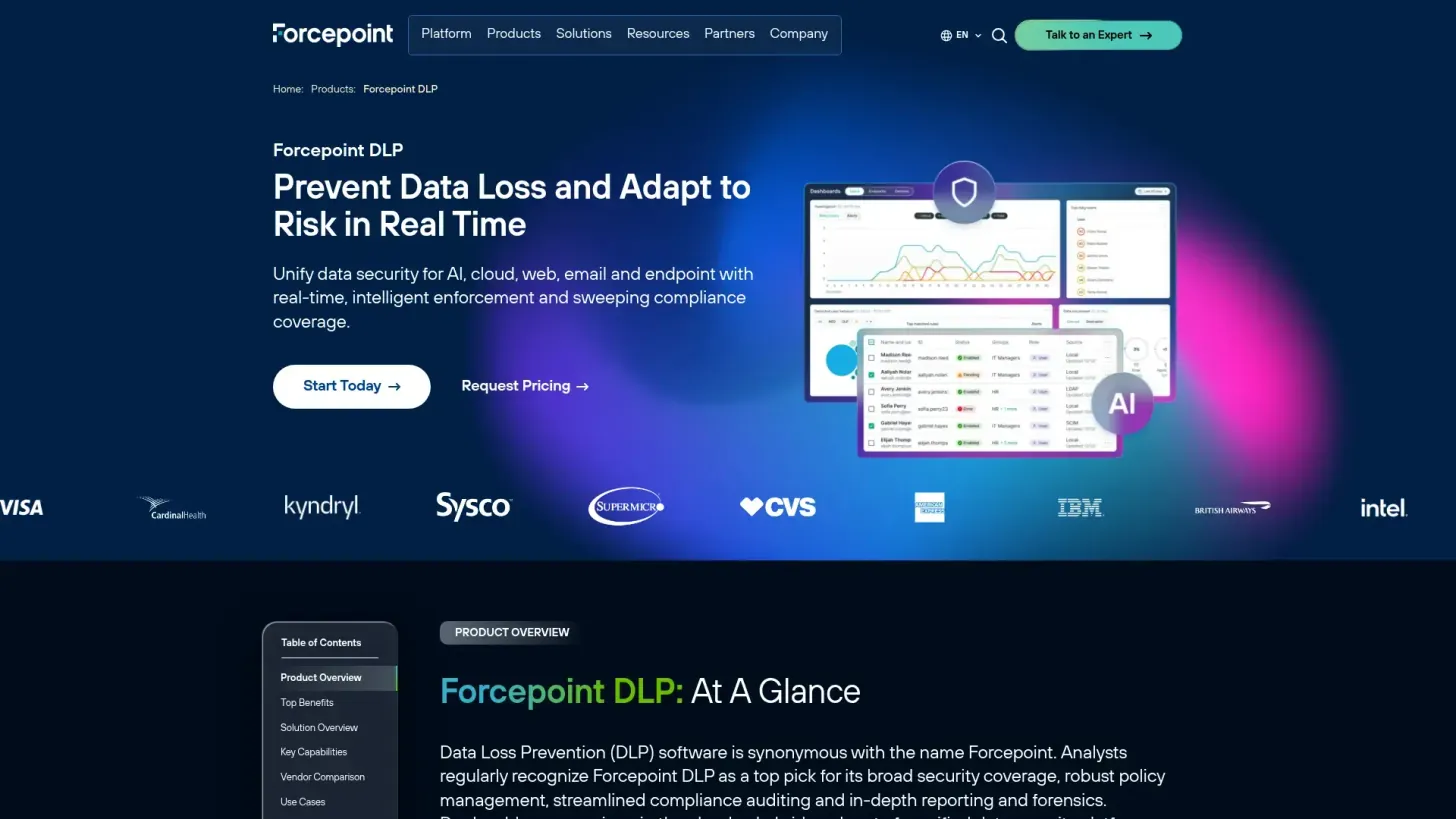
Forcepoint DLP applies one policy set across endpoint, email, web, cloud, and AI apps. Risk-Adaptive Protection scores users on 150+ behavior indicators and tightens enforcement as risk rises.
- Best for: Enterprises that already run DLP and want enforcement tuned to each user's risk.
- Notable feature: Over 2,000 classifiers and policy templates.
- Limitation: Setup and policy tuning take sustained effort.
- Pricing: Quote-only.
14. Varonis
Varonis baselines every user's behavior around file shares, Microsoft 365, SaaS, and cloud data. It also records Microsoft 365 Copilot prompts, responses, and referenced files. Proofpoint agreed in October 2026 to acquire Varonis for about $6.3 billion, with the deal expected to close in the first half of 2027.
- Best for: Organizations whose biggest exposure is oversharing in file shares and Microsoft 365.
- Notable feature: Automated removal of excessive access permissions, plus a managed data detection and response (MDDR) service.
- Limitation: It focuses on data stores and sees little endpoint activity.
- Pricing: Quote-only, per user. Vendr reports an $88,044 median annual contract.
15. Netskope
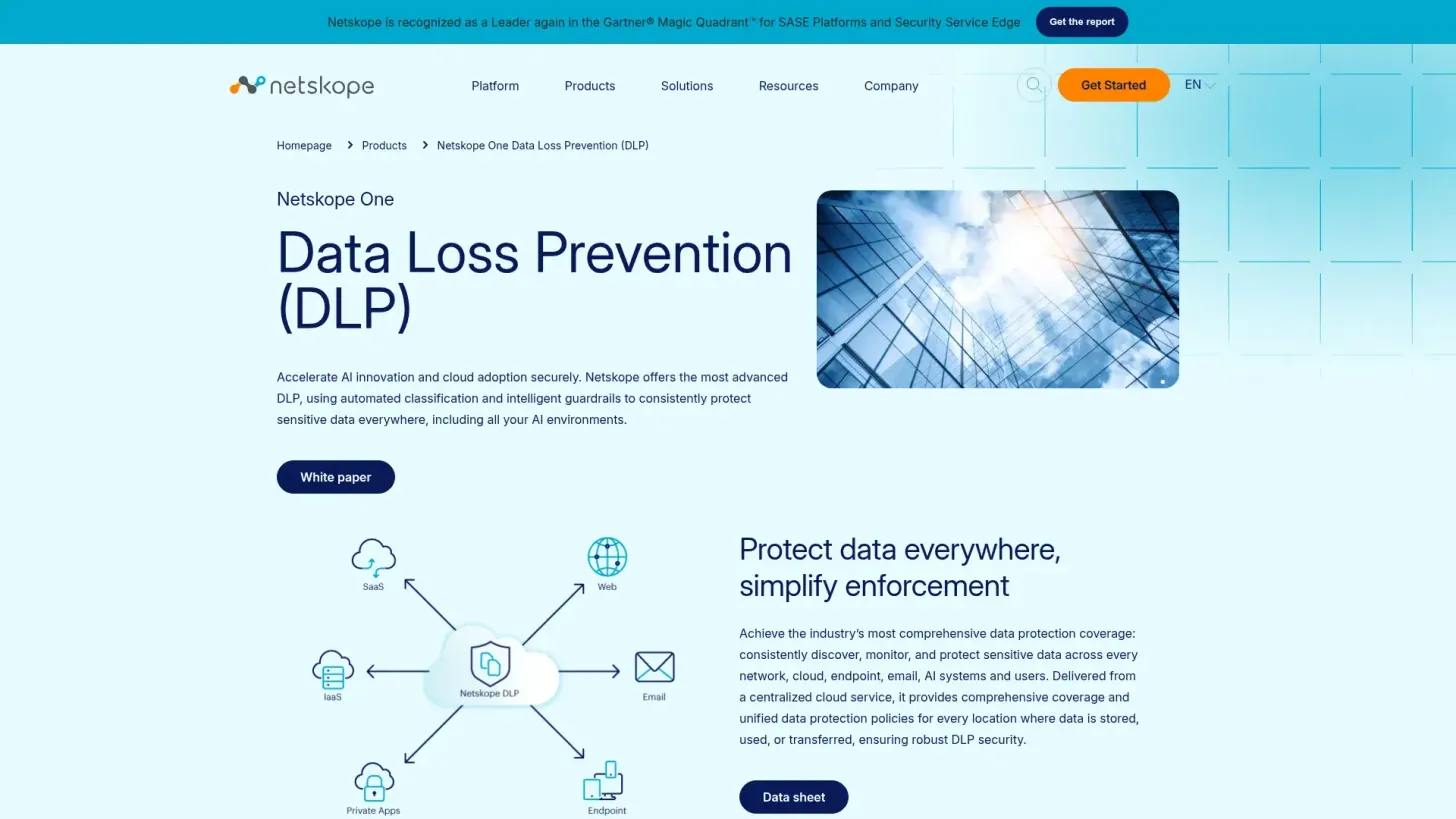
- Best for: Organizations already routing traffic through Netskope.
- Notable feature: Real-time coaching that explains the risk to the user.
- Limitation: It isn't a behavior platform, and endpoint DLP is an add-on focused on USB and printers.
- Pricing: Quote-only. Vendr reports a $96,815 median contract.
16. Broadcom Symantec DLP
- Best for: Regulated enterprises with on-prem data and deep detection needs.
- Notable feature: Exact data matching, document fingerprinting, and optical character recognition (OCR) in one policy engine.
- Limitation: Deployment and tuning are complex, and modules are licensed separately.
- Pricing: Quote-only.
17. Netwrix
Netwrix spreads insider coverage across products. Endpoint Protector handles DLP, Threat Manager detects Active Directory and Entra ID abuse, and Auditor tracks changes.
- Best for: Microsoft-heavy shops focused on privileged accounts and file servers.
- Notable feature: Endpoint Protector blocks sensitive uploads to ChatGPT, Copilot, Claude, and Cursor.
- Limitation: There's no unified insider risk console, and Auditor's risk scores come from admin-defined alerts.
- Pricing: Netwrix 1Secure lists at $24 to $39 per identity per year. Other products are quote-only.
UEBA and SIEM-led analytics
If you already have an established SIEM logging your network, identity, and cloud telemetry, layering UEBA on top is a logical next step. These tools excel at spotting behavioral anomalies but generally cannot block an action in real time.
18. Exabeam
- Best for: Security operations centers (SOCs) that want strong UEBA without replacing their SIEM.
- Notable feature: Nova AI agents that automate scoring, triage, and investigation.
- Limitation: It works from logs, so it can't block an action on the endpoint.
- Pricing: Quote-only. Vendr reports a $210,252 median annual contract.
19. Securonix
Securonix flags deviations from individual and peer behavior across users, service accounts, and AI agents. It runs inside Unified Defense SIEM or on top of Microsoft Sentinel.
- Best for: Sentinel shops that want insider analytics without a second SIEM.
- Notable feature: An Insider Intent Agent that adds AI interaction data from Copilot, ChatGPT, and Gemini.
- Limitation: Its linguistic analysis raises privacy questions you'll need to govern.
- Pricing: Quote-only. Vendr reports a $67,750 median annual contract.
20. Splunk Enterprise Security
Splunk Enterprise Security Premier includes UEBA and security orchestration, automation, and response (SOAR), in the cloud or on-prem. Standalone Splunk UBA support ends January 31, 2027. Splunk is now part of Cisco.
- Best for: Existing Splunk shops consolidating detection and response.
- Notable feature: SOAR playbooks for automated containment.
- Limitation: UEBA requires the top Premier edition, and UBA data can't migrate to it directly.
- Pricing: Quote-only.
21. Microsoft Sentinel UEBA
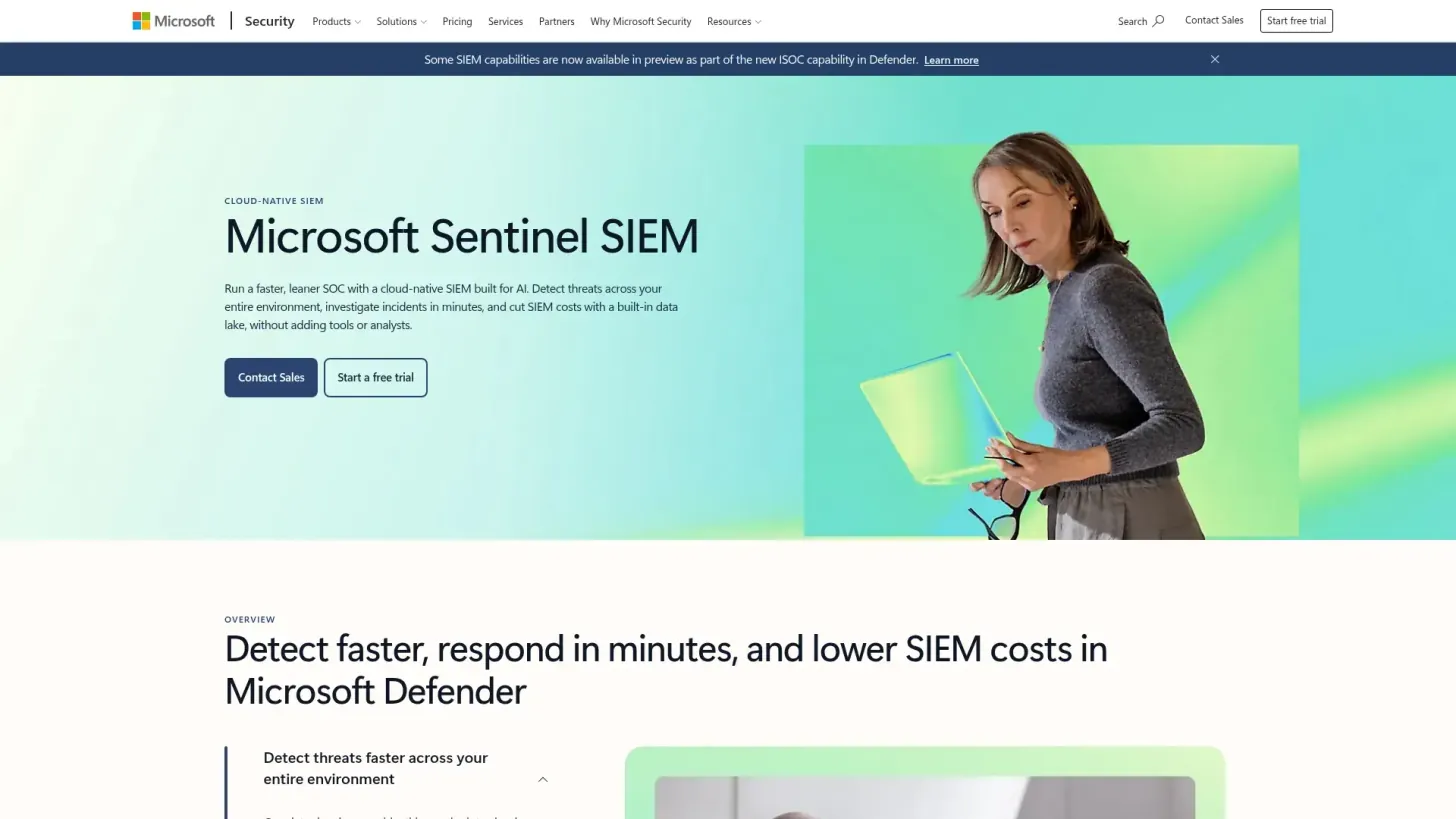
Microsoft Sentinel builds behavior profiles for users, hosts, IP addresses, and apps. Peer groups are calculated automatically. After March 31, 2027, Sentinel will be available only in the Microsoft Defender portal.
- Best for: Azure and Entra ID organizations already running Sentinel.
- Notable feature: UEBA carries no extra license cost.
- Limitation: UEBA tables add storage charges, and it detects without preventing data movement.
- Pricing: Billed by data ingested. Commitment tiers start at 100 GB a day and save up to 52% over pay-as-you-go rates, per Microsoft.
22. Rapid7 InsightIDR
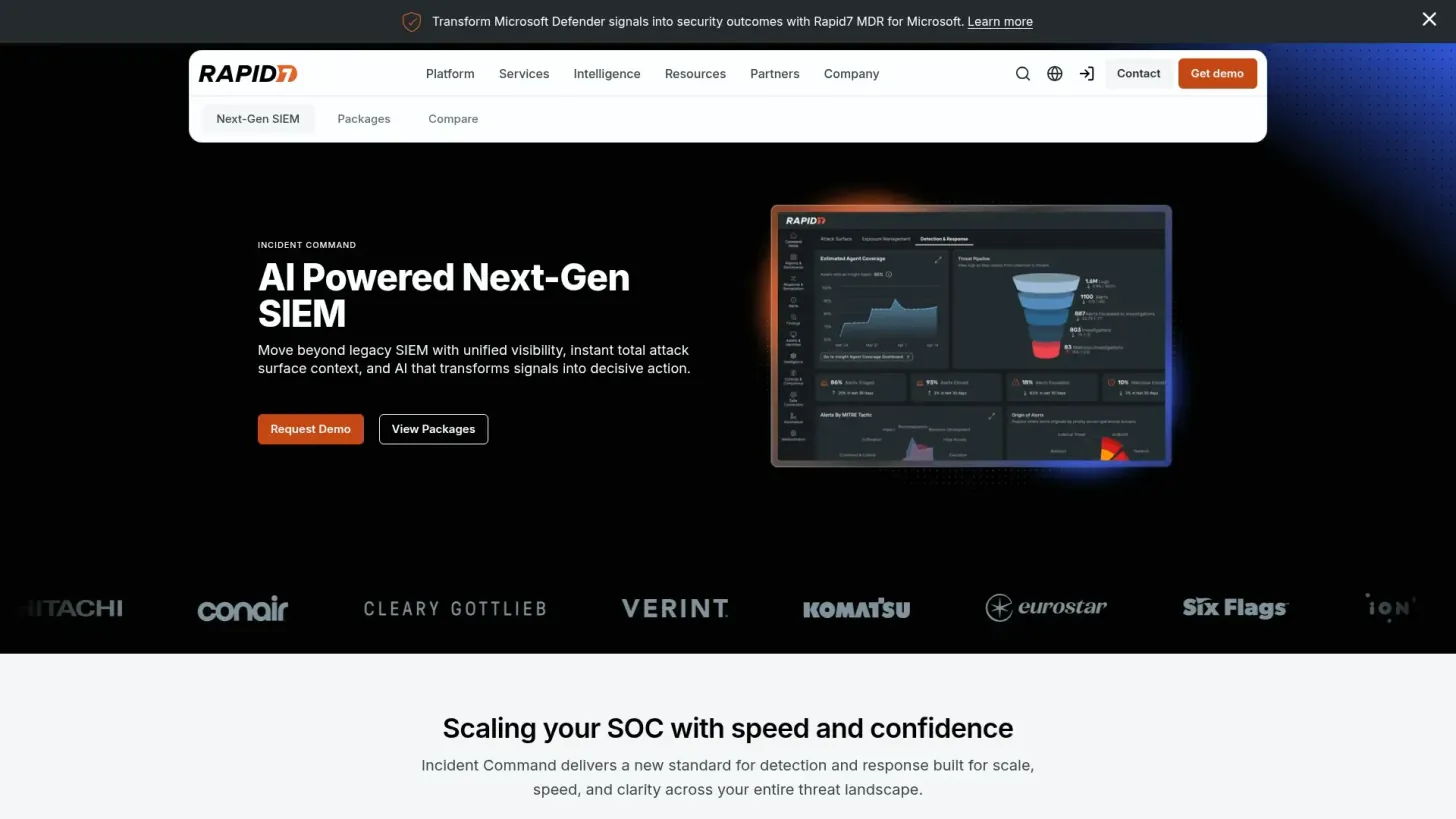
- Best for: Mid-market SOCs that want SIEM, UBA, and response in one cloud product.
- Notable feature: Built-in automation that can isolate hosts, revoke credentials, or kill processes.
- Limitation: There's no on-prem version, and its UBA centers on authentication.
- Pricing: TrustRadius lists the Advanced tier at $5.89 per asset per month for at least 500 assets.
The Gap Most Insider Risk Tools Share: Actions That Look Normal One At A Time
Behavioral baselines catch a person who downloads 10,000 files at 2 a.m. UEBA tools go further and stitch events into sequences, but they read those sequences from logs after the fact. That leaves a gap when every step is routine and authorized.
Say a departing employee asks a coding agent to "back up my work." The agent zips the repo and pushes it to a personal GitHub account. Every step is authorized, and the context (a resignation on file and a personal destination) is what makes it exfiltration.
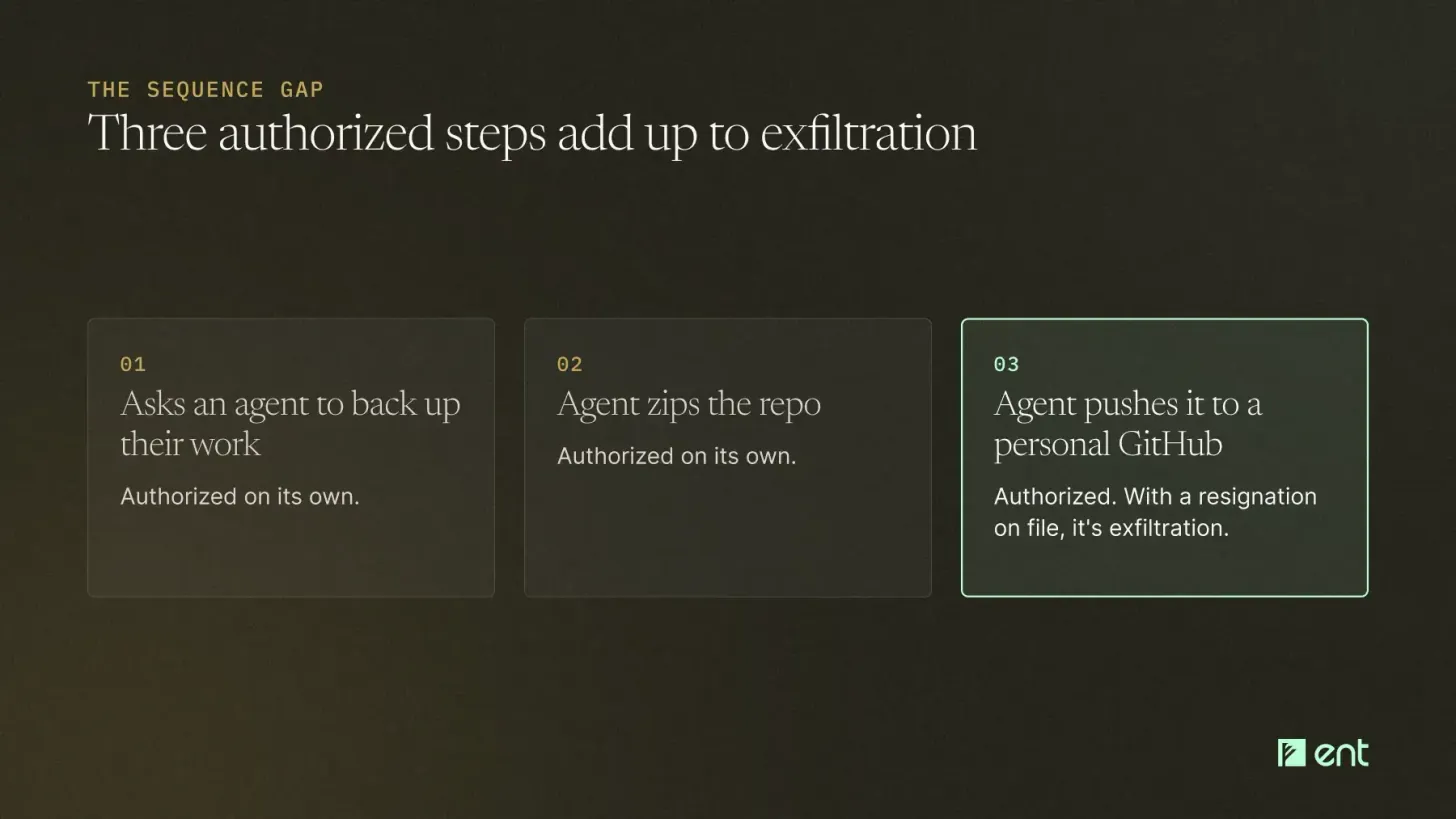
The same pattern fits a hijacked session or an employee pasting secrets into an AI tool. No single event crosses a threshold. The risk shows in the sequence and its context, and an endpoint layer can see both before the push completes.
EDR is strong at malicious behavior and known attack patterns. An AI agent doing harm through its normal, authorized actions doesn't look malicious at the process level.
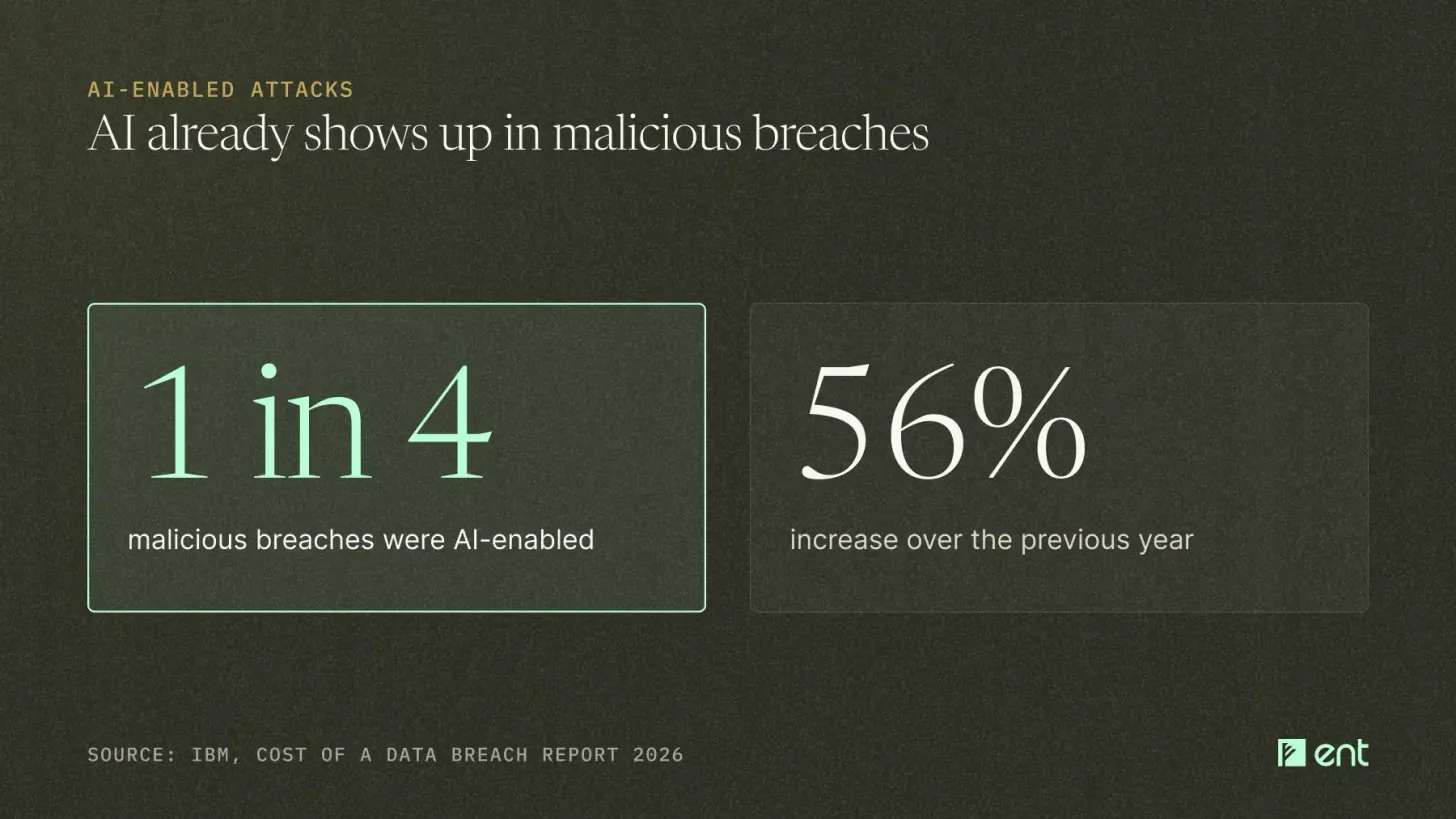
Attackers are moving into AI as well. IBM's 2026 breach research found one in four malicious breaches were AI-enabled, a 56% increase over the previous year. Brandon Dixon, co-founder of Ent, describes what endpoint tools miss:
"An EDR can tell you Zoom is running but it cannot tell you that a user just handed the remote control of their machine to someone outside the business, or why."
Building Your Insider Risk Stack, And Where Ent Fits
A comprehensive, working program follows three steps.
- Define visibility and policy. Decide which data matters and who can touch it.
- Layer your detection. Match your vantage points to where that data lives.
- Establish a graduated response. Move from alerts to coaching, justification prompts, and blocking.
Run every case through the same flow of policies, alerts, triage, investigation, and action. Write your first policies for departing employees, third-party contractors, and AI agents.
Many teams pair a SIEM-side UEBA tool for identity, cloud, and network logs with an endpoint or DLP layer. The endpoint layer steps in at the moment of action. Bring HR, legal, and privacy in early, because monitoring programs stall without them.
Ent is intent-aware AI endpoint security for human and agentic work. It connects user activity, agent actions, applications, data, and process execution into one sequence, then interprets the intent behind it. That gives you one control model for people and AI agents. Ent also provides live visibility into Claude Code, Cursor, and GitHub Copilot.
Ent can warn, require justification, constrain, escalate, or block before an action completes. It can replace endpoint-based insider risk, DLP, and application control tools, and reduce the need for separate UEBA on endpoint activity. It complements your existing EDR or extended detection and response (XDR) platform.
Ent runs as SaaS or as a customer-controlled deployment in your own cloud, so sensitive telemetry can stay in your environment. Andrew Cal, CISO at WestCap, sums up the problem:
"Modern work creates signals that can look identical on the surface, even when the intent is completely different."
To see Ent read activity in sequence on your own endpoints, book a demo.
FAQ
What is the difference between insider risk management and insider threat management?
The Cybersecurity and Infrastructure Security Agency (CISA) defines insider threat as the potential for an insider to use their authorized access or understanding of an organization to harm that organization. Insider threat management focuses on catching that harm. Insider risk management takes a wider view, covering careless mistakes and exposure before harm occurs.
Is insider risk management the same as DLP or UEBA?
No, but they overlap. DLP protects data based on content and policy, and UEBA baselines behavior across logs. Insider risk management combines both with investigation workflows and HR coordination.
Do insider risk management tools monitor AI agents and AI tools?
Many now do, to different depths. Ent, Microsoft Purview, CrowdStrike, DTEX, Gurucul, Securonix, and Exabeam all describe coverage of AI agents or AI interactions. Ask vendors which tools they see and whether they can act before an agent's action completes.
How much do insider risk management tools cost?
Most vendors are quote-only, though Veriato publishes $18 per user per month for activity monitoring. Purview Suite adds $12 per user per month on top of E3. Enterprise analytics contracts can reach six figures, such as Exabeam's $210,252 median on Vendr.
How do you balance insider risk monitoring with employee privacy?
Use pseudonymization, role-based access, and clear rules on what isn't collected. Involve HR, legal, and works councils before rollout, and tell employees what's monitored and why. In the UK and EU, monitoring that's likely to be high risk needs a data protection impact assessment (DPIA) under GDPR before it starts, and the UK regulator recommends one for any worker monitoring.